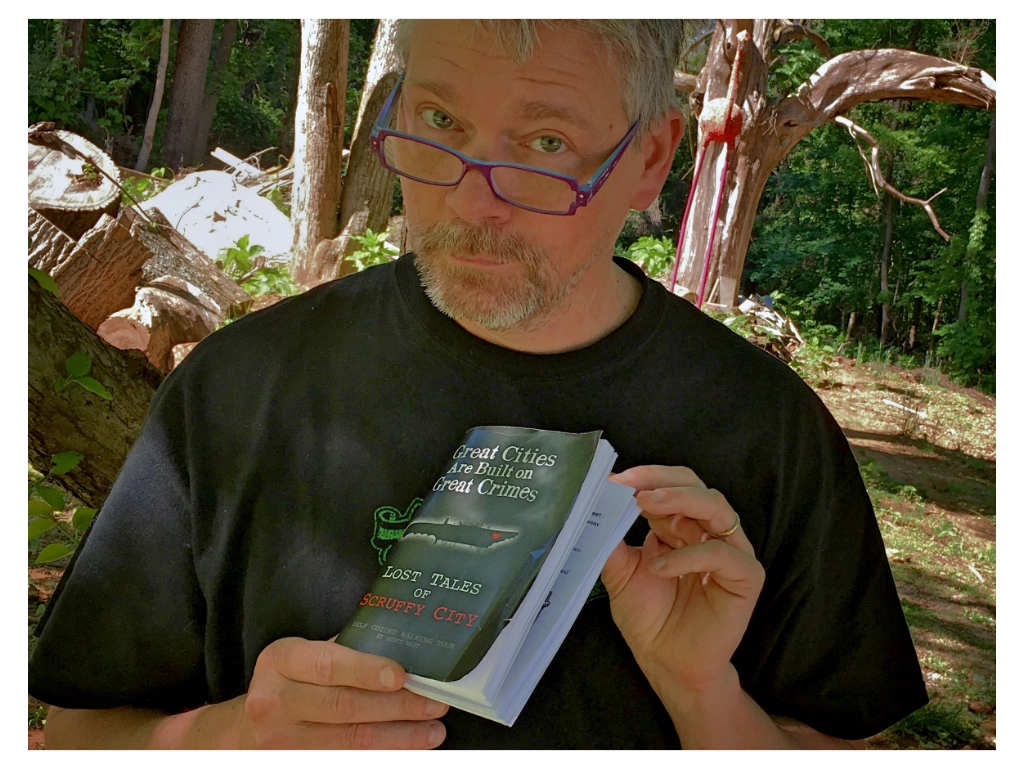
About the Author
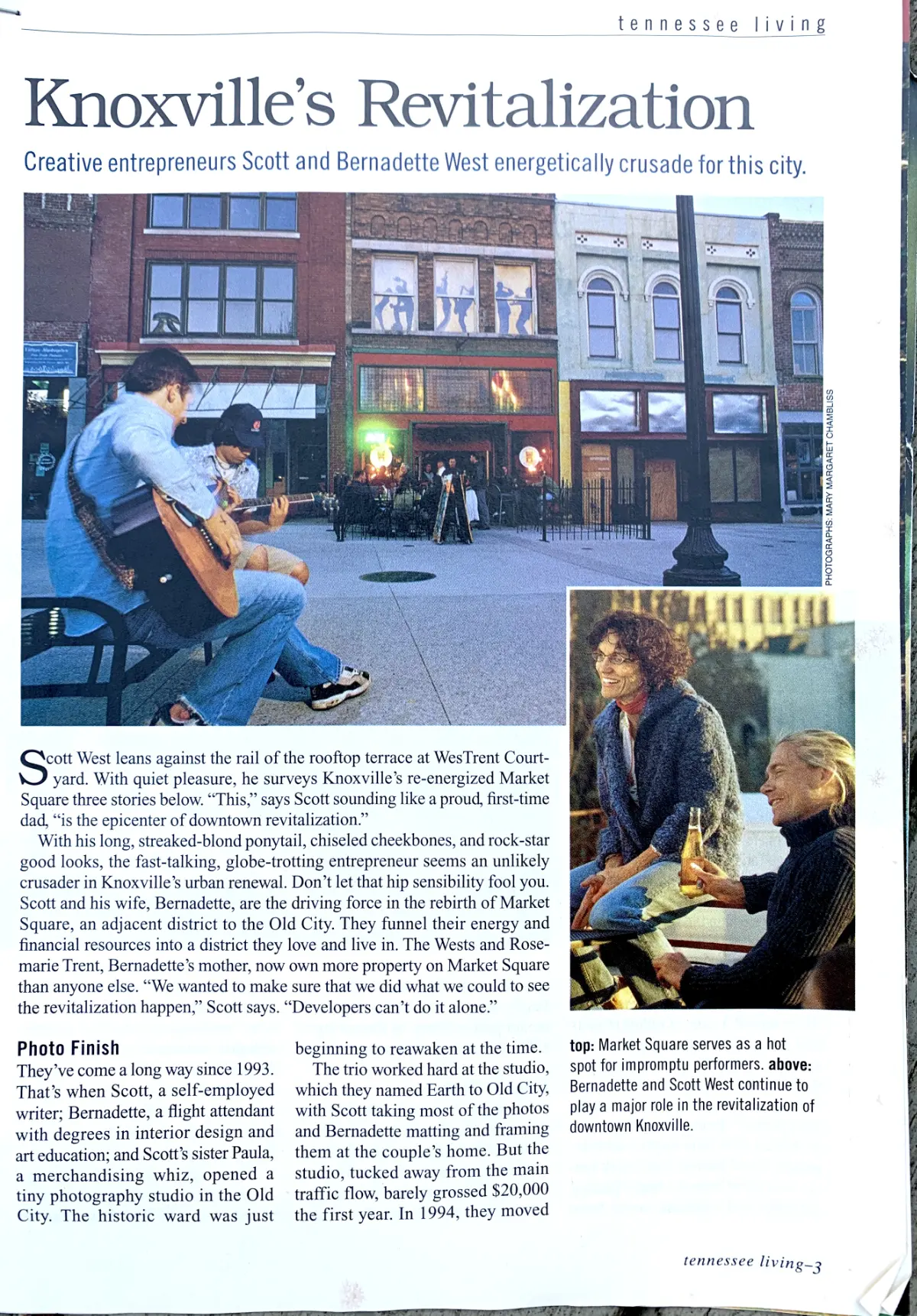
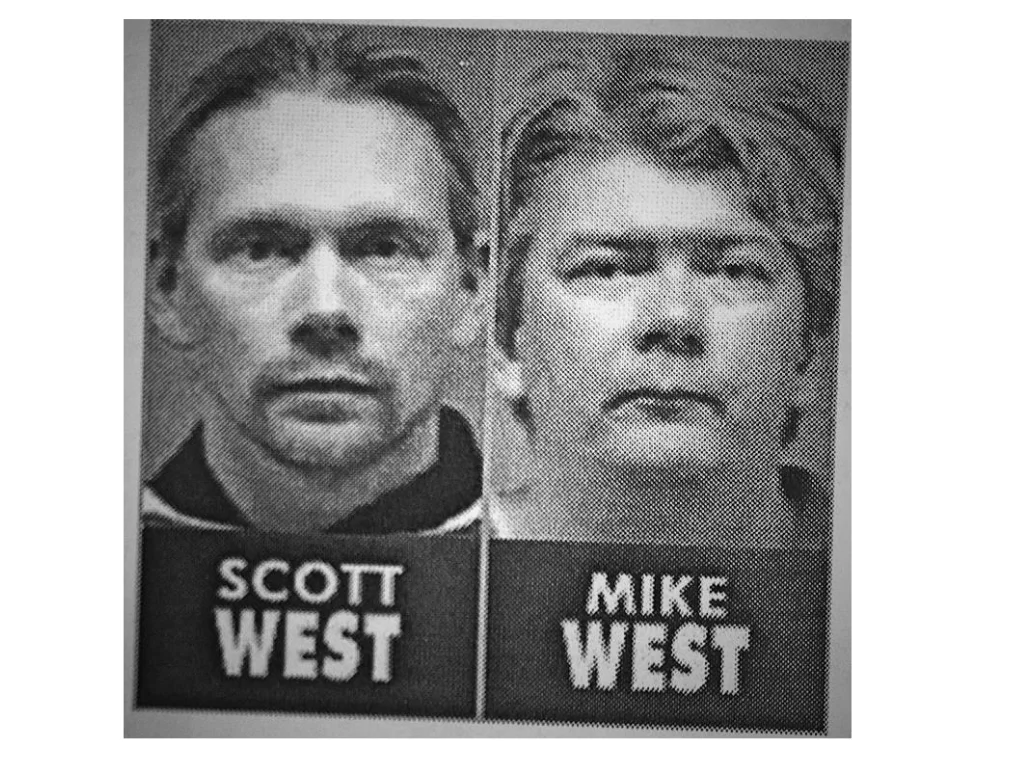
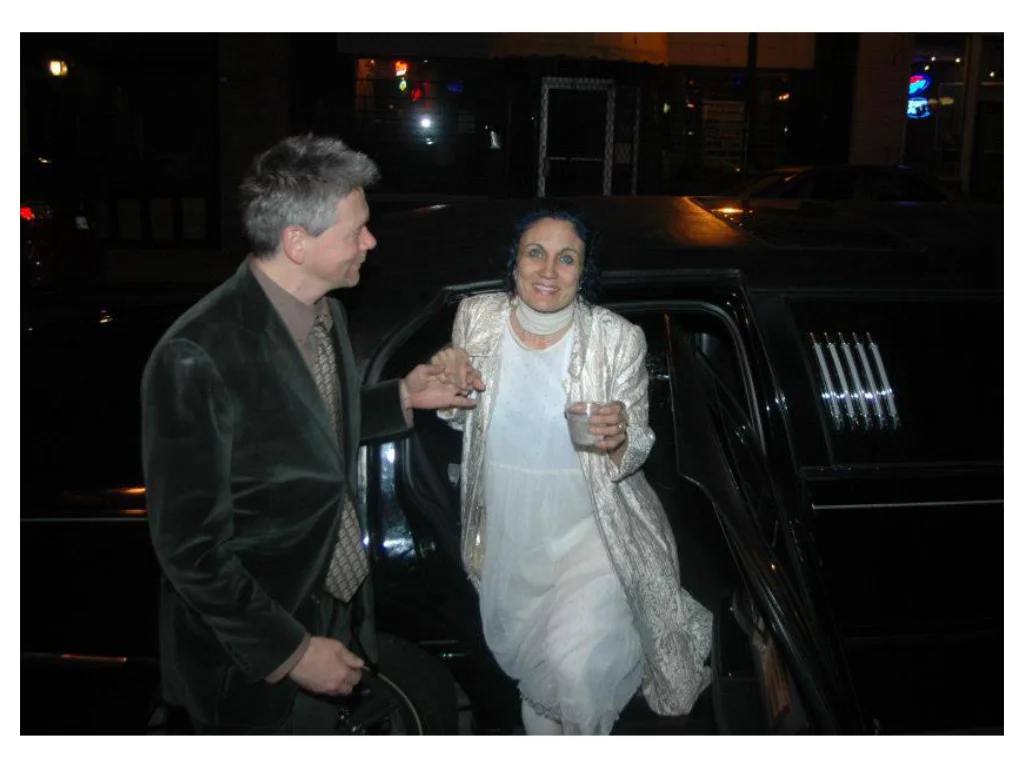
I never planned to be the good-intentioned bad guy—my wife Bernadette just hated watching Knoxville’s old buildings turn into parking lots. So, we turned our tumbleweed town center into a buzzing Market Square, where folks could hang out and have fun. Headlines happened, and good times rolled. Sure we got creative with the financing to save a few old buildings—creative, as in eco-friendly, green, sustainable. Creative, also, as in multi-state marijuana conspiracy…
Next came the federal indictments, asset seizures, and a few years of separate “adventure sabbaticals.” Risk it all? Hell, we lost it all. Then we got out, dusted off, and, against the odds, did the damn thing again till we were able to buy back the same spots they raided and seized.
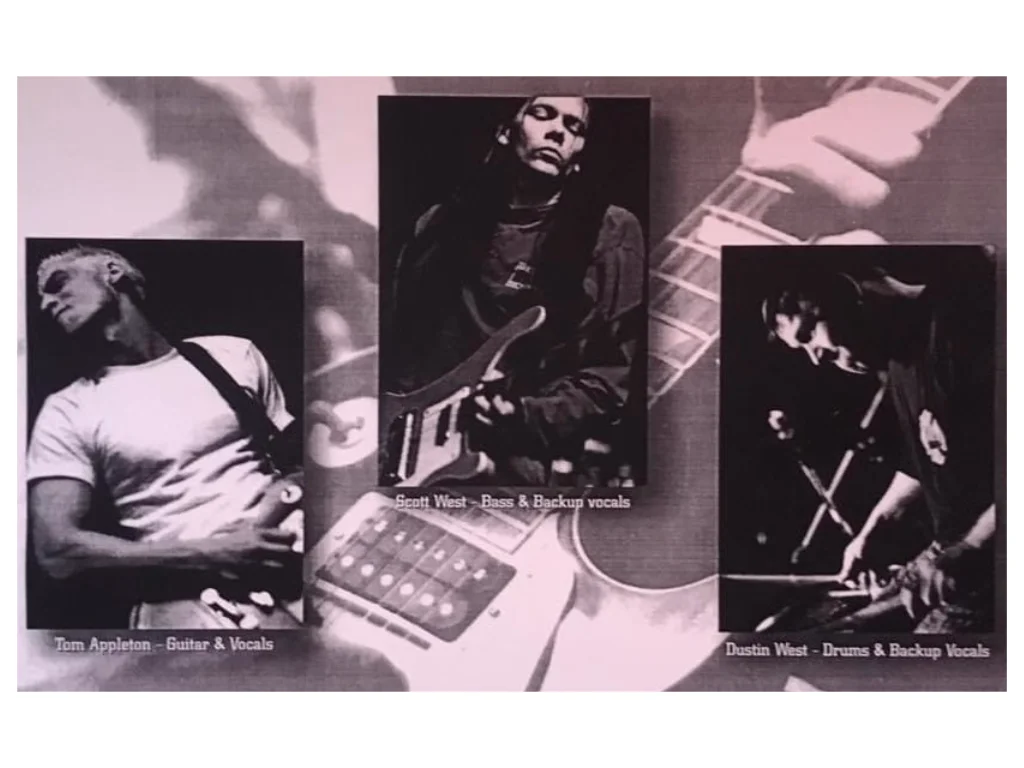
Preservation Pub and Scruffy City Hall are still standing, still pouring, still packed with people. Smoke Rings is me turning that whole wild ride into fiction: family, friends, punk rock, high stakes, lowlifes, weed smuggling, and fighting the good fight to keep natural plants growing and historic gems from the wrecking ball. As a nod to my punk days, there’s a 29-song soundtrack stitched between chapters. Readers either love it or want to fight me—both valid.
These days, Bernadette and I hold down our South Knoxville fort with twenty-five chickens, three dogs, two cats, two goats, and every possum, raccoon, skunk, and stray animal that wanders up. We’re still waving our freaky “Keep Knoxville Scruffy” flag—backing local art, loud music, weird small businesses, and history that doesn’t need a corporate sponsor. If you’re ever in Scruffy City, swing by and say, “High.”
~ R. Scott West
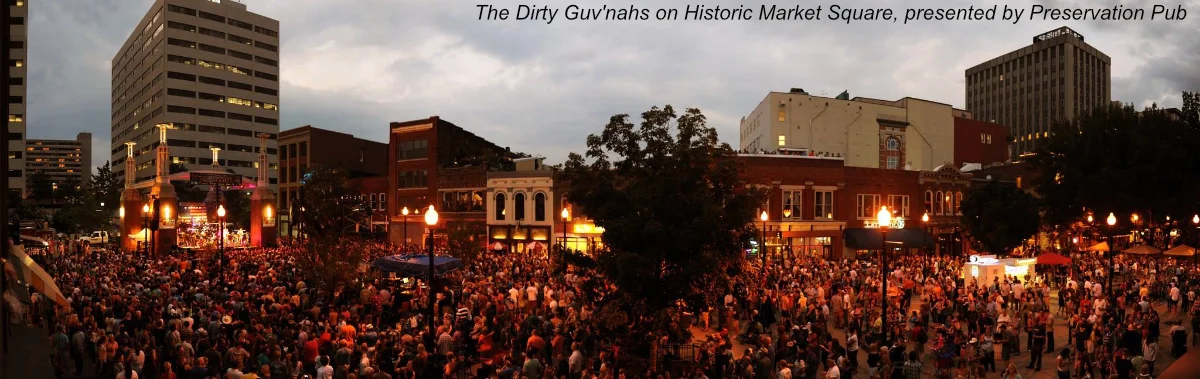
20 Years After the Raid, Scott West Releases ‘Smoke Rings’
Inside of Knoxville, Leslie Bateman July 16, 2026
Twenty years ago this morning—July 16, 2006—I was sitting on the wall beside Tomato Head, trying not to cry as the love of my life and I broke up.
As we stared at the bricks and said all the painful things that come with ending a relationship, a steady procession of federal agents filed through the otherwise quiet Sunday morning Market Square, carrying computers and evidence boxes out of the West family’s businesses.
We weren’t the only ones having a bad day.
In the moment, deafened by the sound of my own heartbreak, it barely registered. Only later did I realize I had witnessed the opening scene of one of the defining stories in downtown Knoxville’s modern lore.
I was editor of Metro Pulse at the time, and a public debate emerged almost immediately on our letters page that has never really gone away. Were the Wests villains? Heroes? Or was that the wrong question altogether?
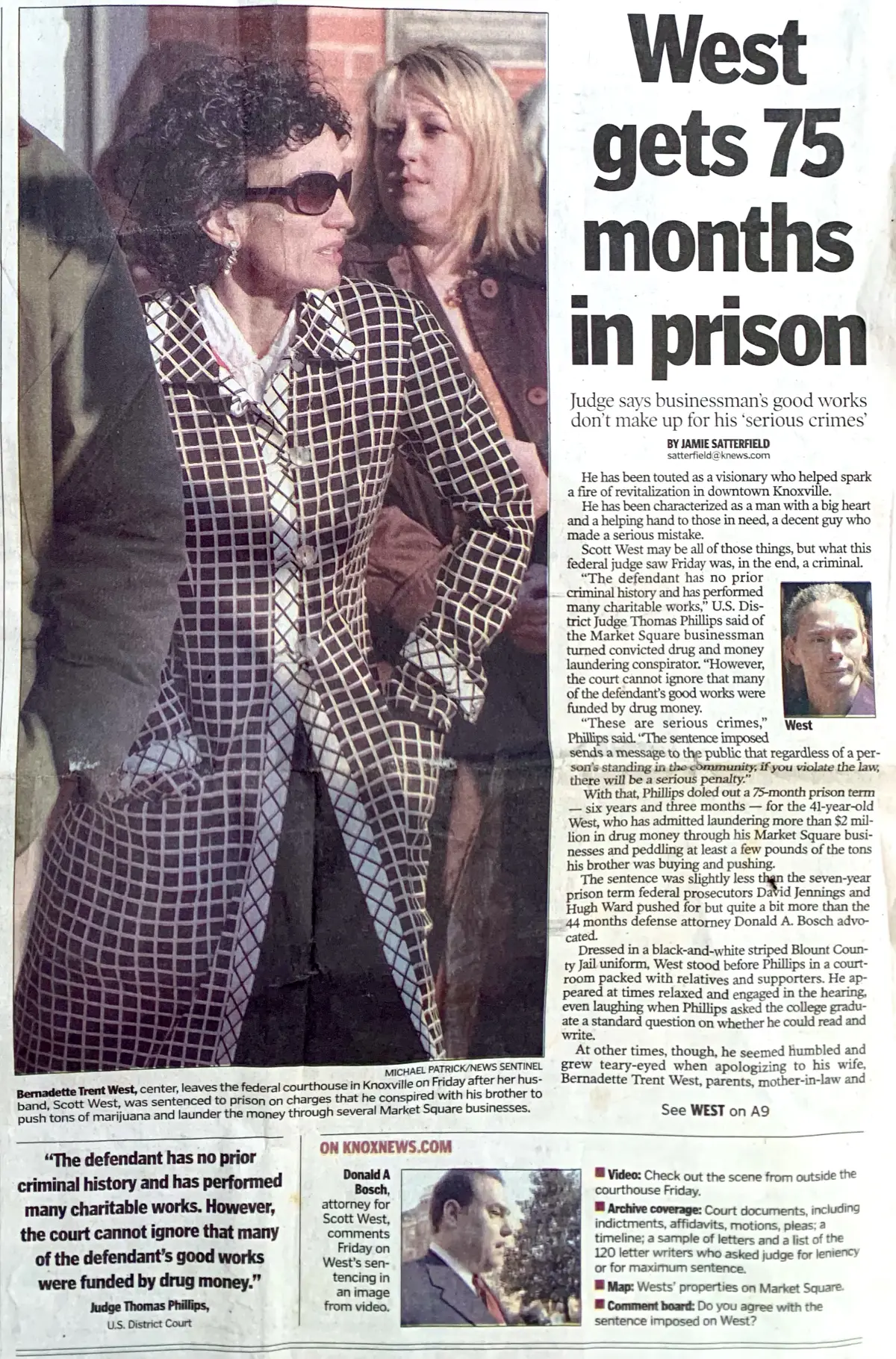
I was in the courtroom in September 2006 when Scott was sentenced to 75 months in federal prison for laundering millions of dollars in marijuana proceeds into the restoration of six historic buildings on Market Square. Bernadette received a two-year sentence.
Almost immediately, Scott began sending handwritten letters from prison to our newsroom—long, thoughtful missives that ran page after page. I remember discussing whether we should publish excerpts, and I can’t remember if we ever did. I wish I knew what became of them. Perhaps they’re moldering in the bottom drawer of Jack Neely’s desk.
It was Jack, with his almost oracular sense of our tiny place in the sweep of local history, who prophesied in his column just days after the arrest: “This, too, shall pass.”
And, indeed, it has.
The Wests eventually found their way back to Market Square and beyond. There were years of rebuilding, of course, and plenty to process along the way. Today, Scott released the novel he’s been writing for much of that time, Smoke Rings: A Scruffy City Novel, a fictionalized retelling of their remarkable, controversial saga.
As for my own Market Square story, that breakup wasn’t the end either. The ex-boyfriend and I found our way back to each other a few years later. In fact, we recently celebrated our 14th wedding anniversary, and we have a 7-year-old child.
Life can be funny like that. I caught up with Scott this week to reflect.
LB: Smoke Rings isn’t a memoir but it’s clearly rooted in your life. At what point did you realize fiction could tell the emotional truth better than nonfiction?
SW: When I realized life is messy and cluttered, but fiction is neat and organized… I thought it better to have a novel that was a fictionalized version of our story rather than an autobiography. Plus, by writing our story as fiction, hopefully, I’ll upset fewer people.
LB: How did writing this story 20 years after your arrest change the story you were able to tell? Could you have written the same book in 2006?
SW: Short answer, no. When I got out of prison, I had written four books while incarcerated. When I showed them to my family, they said “DO NOT publish these yet!”
LB: Were there moments where the fictional version surprised you, where the character wanted something different than the real Scott West?
SW: Yes, strangely enough, trying to step back from my own reality and memories was the hardest part in writing Smoke Rings. It would have been much much easier to write a purely fictional story with completely made up characters and plot. I’ve done that, actually. As far as Smoke Rings, I spent years slowly unraveling what the novel and its characters wanted or needed to be, which were somewhat different from what actually happened and what I wanted in real life. In the end though, I think the 20 years I’ve spent writing Smoke Rings has helped the story and its characters and the quality of my writing enormously.
LB: Twenty years is enough time for both people and cities to evolve and/or reinvent themselves. How have you changed? And what part of you is exactly the same?
SW: Well, I am now a law abiding citizen, even about things I disagree with. It’s not so much that I have been humbled by the system and now agree that I was once a bad person but now I’ve seen the light and have joined the mob in reviling the sins of moonshine and marijuana, as much as it is because I don’t have another 20 years to lose in my life, I guess.
But life is short and you have to survive and succeed with what the world has given you, within its rules, as inexplicably stupid as they may be, while perhaps working to smooth out some of the sharp edges of the system that cuts you.
LB: Looking back now, is there anything you understand about your younger self that you couldn’t have understood then?
SW: I am impatient now, but I was very impatient then. I know now that shortcuts are often the long road. And anyway, success comes in living in the moment now, enjoying the process today, not in driving towards a goal sought in some distant future.
Learn from the missteps you’ve made, but forgive the stupidity and mistakes of your former self and move forward—well, learn from your mistakes and move forward if you’re lucky enough to survive them. Which I was.
LB: You and Bernadette helped shape a version of downtown that thousands of people enjoy today. Does that occur to you when you walk through Market Square?
SW: I generally have a tremendous problem stepping off of my personal gerbil wheel to admire the past. I generally brag about it and keep running. Bernadette is very satisfied with what we’ve done, however.
I am as well, to a point, but the master plan is not finished… and we all need to occupy our time anyway, right? So these ideas, made real, is what I do. Needless to say, I have lots and lots of help. We have 150 folks making it happen every day with us, but the primary thing I think I personally offer is vision. And drive.
LB: You say prison gave you the opportunity to become a writer. Is it fair to say this book couldn’t exist without the worst thing that ever happened to you?
SW: The silver lining in getting caught is that, if we had never been caught, I would never have been able to share the story. So, hopefully in return for my being a bad criminal, readers will get a good book.
LB: The story of the Wests has become part of Knoxville lore. Did writing the novel change how you think about your own legacy?
SW: No one goes to Tombstone Arizona to see the cacti. Outlaws are drivers of tourism to specific places. Good-intentioned bad guys can do the job just as well or better than the bad ones.
Also, great cities are built on great crimes.
Oh yeah, and it’s dangerous to be right when the government is wrong…
LB: One thing the book seems to resist is simple heroes and villains. Was it important to you to write characters who live in those gray areas?
SW: Yes. I am not a fan of white hats and black hats in stories. I like characters who are more interesting than that. Just like people.
I remember the federal prosecutor telling me, “You’re not the good guy, you’re the bad guy.” And I thought. “We’ll see about that.”
If I believed in simple heroes and villains, that prosecutor and the haters would have reduced me, my wife and my brother into being lowly ex-cons, even today, that’s what we would be if we accepted that definition. And we were not okay with that.
We each write our own stories whether we realize it or not. We don’t have to let someone else define us. So, I quite literally took my own advice and wrote my own story because no one else cares more about it than me.
LB: You argue that breaking the law isn’t always the same as doing something immoral. Were you hoping readers would agree with you, or simply understand how you saw the world?
SW: Both.
Most crimes in the history of the world, by today’s standards, are no longer crimes. Only a very few crimes remain crimes from age to age, tribe to tribe, culture to culture, country to country. What we did wasn’t illegal in 1937 and it won’t be illegal in 2037. And even though marijuana is illegal now in Tennessee, those crimes were neither immoral nor unethical in our personal code — as a matter of fact, they seemed like good crimes to us. That said, we knew what we were doing was illegal.
So, even if a person disagrees with me it doesn’t matter really, since we paid our debts to society. We did our time, had all our assets seized, lived through the hate and shaming. If anyone won’t let it go at this point they’re just miserable haters as far as I am concerned.
The indictments against myself and my brother were for 25,000 pounds of marijuana and 2.1 million dollars in money laundering. The 2.1 million in money laundering was the money that my wife Bernadette and I put into saving condemned historic buildings on Market Square in downtown Knoxville. We were facing 10 years for the marijuana conspiracy alone, but they added 15 more years on top of that for the fact that we used the marijuana profits to save historic buildings… Those were the big crimes.
Keep in mind: No banks would loan us money to revitalize the buildings we had acquired, and then no businesses wanted to rent them once we renovated them. So we were forced to both creatively finance our little renaissance and then create all of the businesses that rented those spaces as tenants, as well.
Then after fighting our way to build Market Square at a time when 33 of its 36 addresses were boarded up and covered in graffiti, we got busted.
Because of our crimes, we lost all of our possessions and went on “Adventure Sabbatical” for a few years. I ended up serving four-and-a-half years, my wife two years, and my brother did seven years. And it was during those four-and-a-half years that I wrote the first versions of the series that would become Smoke Rings: A Scruffy City Novel. Since I wrote four books in jail, Smoke Rings will be followed by a few more novels in the Scruffy City series, starting early next year.
Put another way, as far as prison, I didn’t lose that time in prison, I used it. There is no losing, there is only learning.
LB: The novel’s accompaniment soundtrack is one of the most unique parts of the project. If someone only listened to the songs and never read the novel, what would they learn about the world of Smoke Rings?
SW: I think a person can listen to the 29-song soundtrack and understand the essential story. So, if you don’t like to read maybe give the 90 minute soundtrack a listen. It’s basically a pretty cool three-album soundtrack.
The songs capture the characters, themes and interpersonal relationships, and the ambience, tone and color of the various places of the novel.
I wrote a lot of these songs for my punk rock band over the years. I also wrote a lot of songs during the incredible despair I experienced while sitting in jail watching my life spiral down the drain. Then I reinvented them into something brand new.
For the novel, I wanted the songs to have a much broader range of tone and sound than the way my band had played the songs in years previous, so I spent a number of months building that other audible part of this literary world as a companion to the written d.
~ Leslie Bateman, Inside of Knoxville
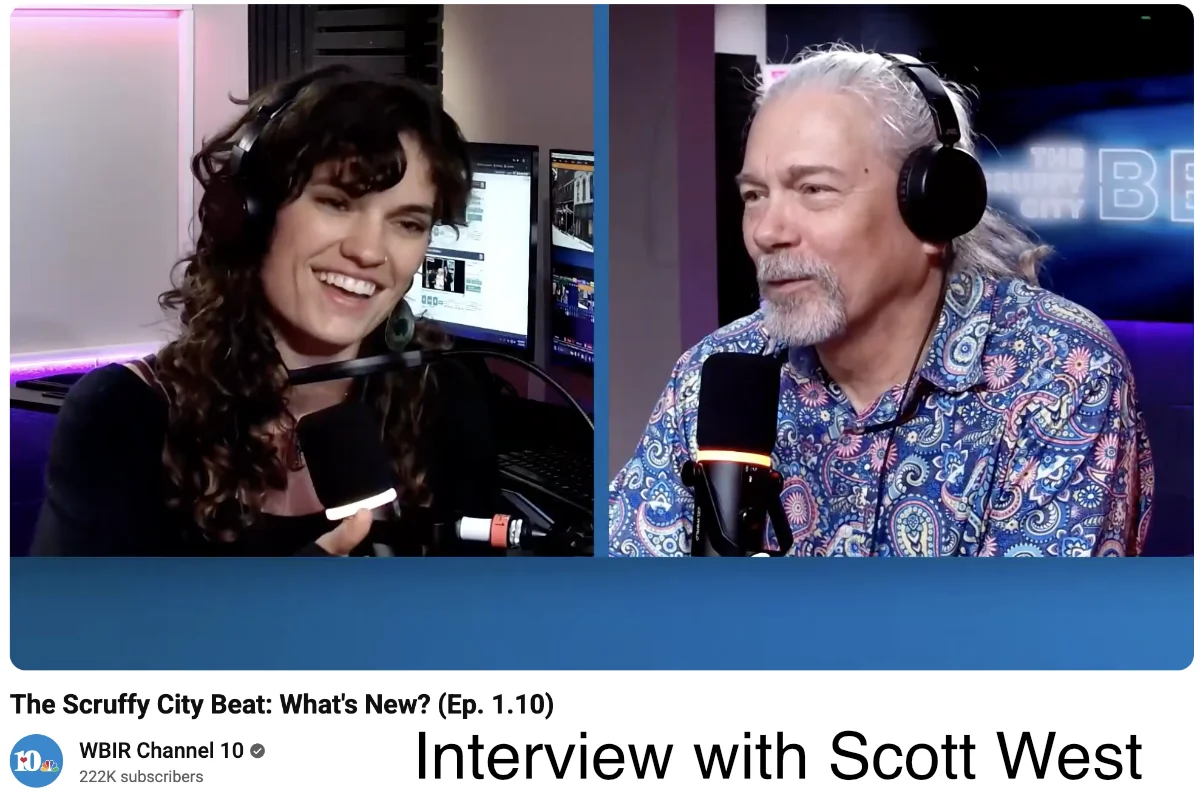
WBIR Channel 10 talks with Scott about his new book and the latest info on the West’s venues.
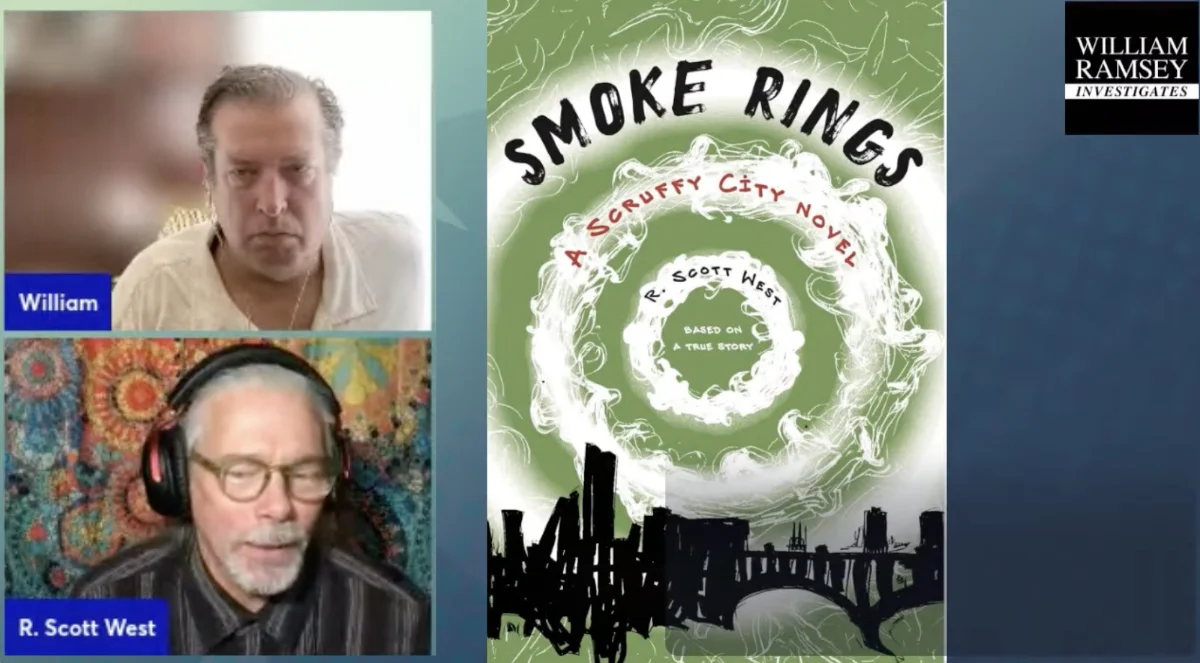
William Ramsey talks with Scott about his new book and about revitalizing Downtown spaces
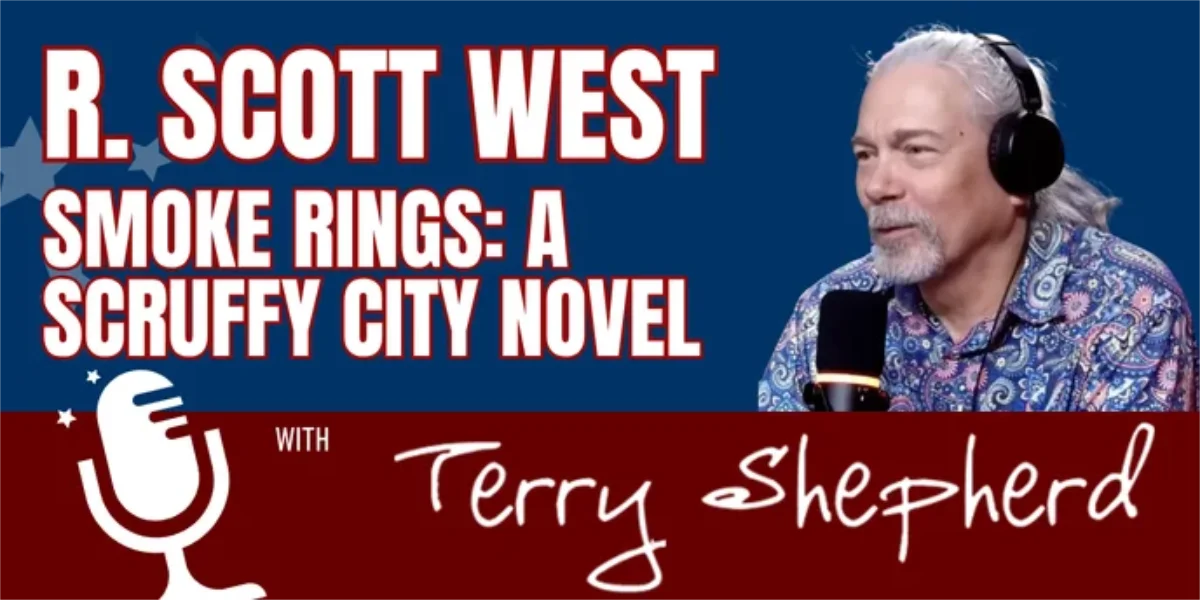
On July 16, federal agents descended. Scott eventually received a four-and-a-half-year prison sentence. Bernadette, facing the possibility that other members of the family could be prosecuted, accepted a plea agreement and served two years.
Prison, Scott told me, became less an interruption than another chapter. He lifted weights, drafted four books, and improvised a radio antenna from Doritos wrappers. He also wrote. A lot. lyrics, stories and the first inklings of a narrative that would become a fictionalized memoir.
That mischievous energy animates Smoke Rings. The novel blends Appalachian family mythology, magical realism, Mark Twain references, and a twenty-nine-song soundtrack that nods to Scott’s years playing in a punk band.
Anything is Possible Interview with Hallerin Hilton Hill Parts 1 and 2